
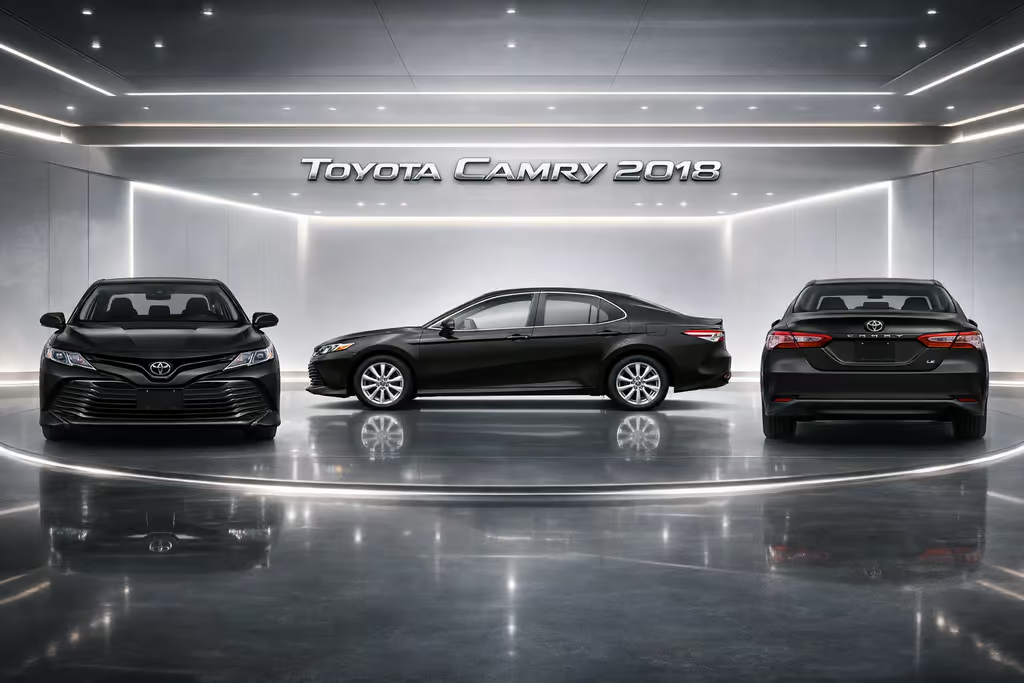
Performance, Safety, Interior, Pros & Cons
With the introduction of the eighth generation (XV70), the 2018 Toyota Camry brought a complete redesign. It retained front-wheel drive, offered 2.5-liter inline-4 (about 203 hp) and 3.5-liter V6 (301 hp) engines mated to an 8-speed automatic; Hybrid variants use Toyota’s Hybrid Synergy Drive with a CVT-type gearbox.
Trim range expanded to LE, SE, XLE, XSE with sportier suspension on SE/XSE and premium leather in XLE. Hybrid variants are offered for the LE, SE, and XLE. The cabin featured larger seating surfaces, eight-way power driver’s seat, and a 7-inch Display Audio screen with Bluetooth, USB and steering-wheel controls.
Safety came with Toyota Safety Sense (TSS-P), standard pre-collision with pedestrian detection, lane departure alert with steering assist, automatic high beams and dynamic radar cruise. Nigerian resale values climbed due to newer tech, and maintenance parts remain common and affordable with routine oil, brakes and chassis checks.
The 2018 Toyota Camry is fully redesigned, marking a major shift in platform, design, and engineering. It moves to the Toyota New Global Architecture platform, which lowers the center of gravity and increases structural rigidity, improving handling and ride quality. Exterior styling becomes significantly more aggressive, with distinct front end designs for different trims.
Inside, the cabin is completely redesigned with improved materials, a driver focused layout, and a new Entune generation with floating touchscreen design. A new 2.5 litre Dynamic Force four cylinder engine replaces the previous unit, paired with a new eight speed automatic transmission, delivering improved efficiency and performance. The V6 engine is updated, and the hybrid system is redesigned for better fuel economy.
Toyota Safety Sense P remains standard. New trims include the L and sport oriented XSE and XLE variants with expanded features. The 2018 represents a comprehensive overhaul in nearly every aspect compared to 2017.
The 2018 Toyota Camry came in L, LE, SE, XSE, XLE, and Hybrid LE, SE, and XLE trims, marking a redesign with more modern features.
₦26M
₦18.5M
The 2018 Toyota Camry introduced a new generation, which significantly impacts pricing in Nigeria’s market. Foreign used units typically sell around ₦26,000,000, reflecting higher import costs and demand for the redesigned model. Nigerian used units average about ₦18,500,000, with pricing influenced by mileage, accident history, and maintenance records.
Higher trims and hybrid variants command notable price due to improved technology and fuel efficiency, A excellent condition 2018 Camry with complete documentation attract higher prices, while units with repairs or repainting sell for less. Dealership pricing can exceed ₦26,000,000, driven by inspection standards and warranty.
Independent dealers provide the majority of listings at relatively lower prices. Lagos and Abuja markets typically record highest price disparity because of demand concentration and logistics, while prices in other regions may vary slightly based on availability and transportation costs.
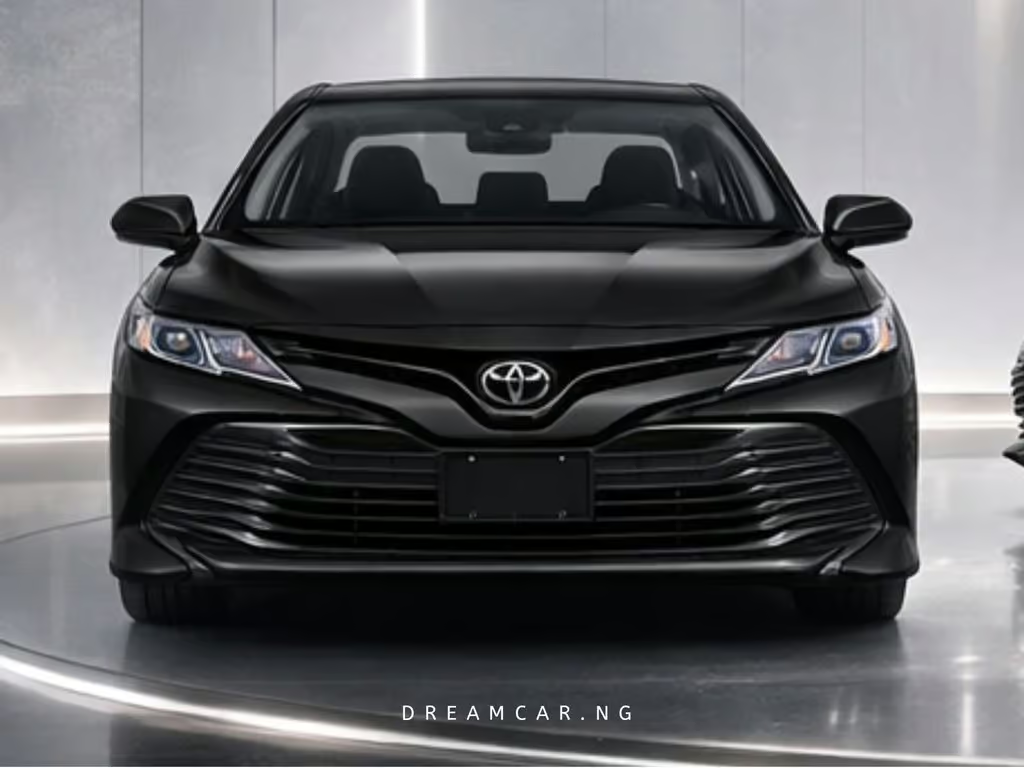
Petrol
Automatic & CVT
Sedan
The 2018 Camry rides on a new platform with a stiffer structure and stronger engines, improving both performance and handling. The base 2.5L inline four now produces 203 hp and 184 lb-ft, paired with an 8 speed automatic transmission. The available 3.5L V6 increases output to 301 hp and 267 lb-ft. Testing shows the four cylinder reaches 60 mph in about 7.9 seconds, while the V6 achieves it in roughly 5.8 seconds.
The hybrid uses a CVT based system combining a 2.5L engine and electric motor for 208 hp total, adding strong low speed torque for city driving. The chassis is firm yet compliant. Car and Driver measured 0.88 g of skidpad grip, highlighting improved cornering ability. Despite the firmer setup, ride noise remains low and bumps are absorbed cleanly. Body roll is minimal, and lane changes feel stable and controlled.
City: 29, Hwy: 41
12.3km/L
17.4km/L
The 2018 Toyota Camry base model with the 2.5 litre four cylinder engine delivers about 12.3km/l in city driving and approximately 17.4km/l on a free highway under steady speeds. The new engine and transmission pairing introduced for this generation improves combustion efficiency and reduces fuel waste during acceleration.
In Nigerian conditions, heavy traffic, frequent braking, and prolonged idling typically pull consumption closer to the city figure, while long inter state travel allows drivers to approach the highway rating. The engine is designed to run efficiently on regular petrol, helping to control day to day fuel spending.
Running costs are generally affordable, with routine servicing, brake components, tyres, and suspension parts forming the primary ownership expenses. Consistent maintenance, correct wheel alignment, moderate throttle input, and proper tyre inflation are essential to maintaining stable km/l figures over time.
Low
High
Very High
The first XV70 generation Camry in Nigeria is powered primarily by the 2.5 litre A25A FKS four cylinder engine paired with an eight speed automatic transmission. Maintenance remains disciplined and preventive, focusing on consistent oil servicing, cooling system health, brake inspection, and suspension monitoring.
The newer Dynamic Force engine is engineered for durability when serviced correctly, with timing chain driven architecture designed for long term use. The eight speed transmission has shown solid reliability when fluid condition is maintained. As with previous models, Nigerian road conditions can shorten the lifespan of suspension bushings and dampers.
Spare parts availability is growing steadily in major cities, including engine sensors, transmission components, and suspension parts through genuine Toyota channels and emerging aftermarket suppliers. While newer than earlier generations, Nigerian mechanics are increasingly familiar with its systems and diagnostic procedures.
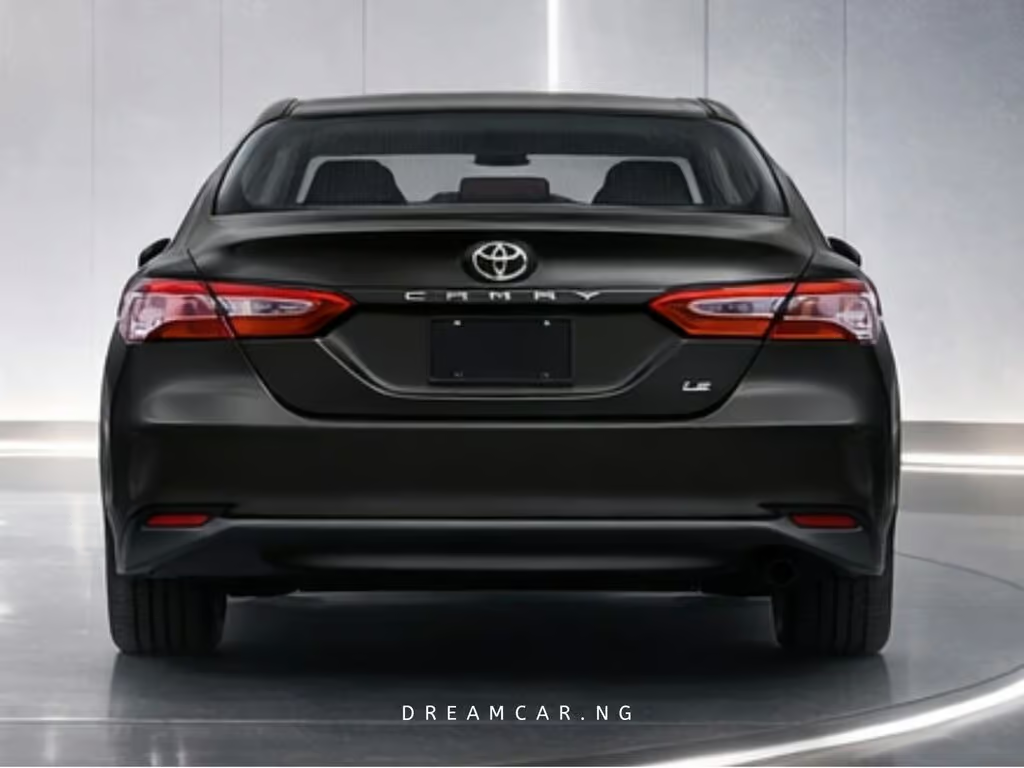
4.6/5
Entune Gen 3, Touchscreen, Bluetooth, WiFi, Apple CarPlay & Android Auto
The 2018 Camry cabin uses soft touch upper dash materials and tightly fitted lower plastics; seat coverings vary by trim with LE and XLE with woven fabric, SE with fabric and SofTex® trimmed bolsters and higher XLE and Limited trims offering leather trimmed seating. Toyota specifies SofTex® synthetic leather on many trims and UltraSuede® inserts on sport models.
Front seats include eight way power adjustment and heated seats on higher trims. Dashboard layout is horizontal with clear instrument cluster and simulated wood trim on XLE. Build quality shows consistent panel fit. Acoustic features include acoustic windshield glass and a high density dash silencer that reduce wind and engine intrusion while tyre and suspension noise increase on rough Nigerian roads.
Dual zone automatic climate control cools effectively in high ambient temperatures; rear vents aid passenger comfort. Infotainment ranges from AM/FM CD with auxiliary input to Entune™ 3.0 Audio Plus JBL®. Storage includes centre console, door bins and trunk.
6-10
Yes
Yes
The 2018 Camry marked a major shift, as it moved to Toyota’s New Global Architecture, often referred to as TNGA. This brought a significantly stiffer body, with a reported increase of around thirty percent in torsional rigidity compared to the previous generation.
The structure made greater use of ultra high tensile hot stamped steel, along with advanced joining techniques like laser screw welding and structural adhesives. These improvements help maintain cabin integrity and manage crash energy more effectively.
In terms of safety equipment, the car continued to offer multiple airbags, including multi stage front airbags, side airbags and curtain airbags. Depending on the market and trim, total airbag count ranged from seven to ten.
A major addition to the 2018 Camry was Toyota Safety Sense P, which became standard in many markets. This package includes automatic emergency braking, lane departure warning and adaptive cruise control, bringing more advanced active safety features into everyday driving.
Crash testing reflected these improvements, with strong performance in both frontal and side impacts. For Nigerian roads, the stiffer structure improves both crash protection and overall handling stability. However, repairs have become more demanding. The use of ultra high strength steel and bonded joints means that proper repair techniques and corrosion protection are essential to maintain factory safety standards.
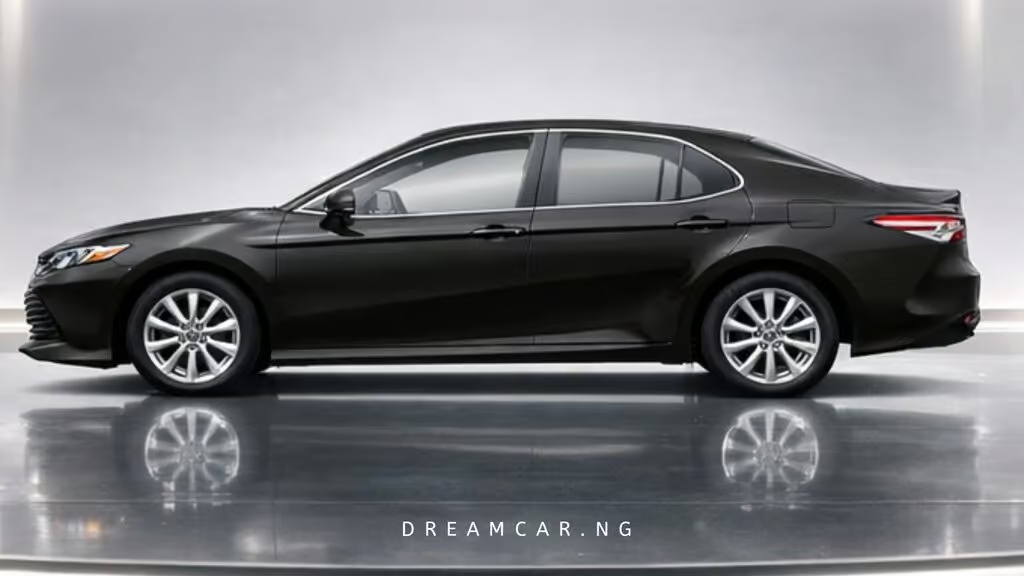
The 2018 Camry introduced an 8-speed automatic transmission which some owner reports and global forums link to early transmission failures, whining noises and rough gear changes, especially under heavy urban use and heat stress typical in Nigeria. Recall campaigns also focus on fuel pump failure and brake vacuum pump vane cap breakage that can cause engine stalling or sudden loss of brake assist if not repaired, making pre-purchase VIN checks critical.
Electrical accessory failures including warning lights, keyless entry irregularities and USB/12V outlet faults appear frequently as vehicles age. Suspension components wear quickly on rough surfaces, leading to harsh rides and uneven tyre degradation. Brake calipers and rotors show accelerated wear from dense traffic stop-start environments.
AC decline from dust and heat is common, often requiring filter and evaporator service. Interior rattles and trim loosen as constant sun fades plastics. Nigerian fuel quality also stresses sensors and emissions components, which may trigger check engine lights if fuel system parts degrade.
Below is a balanced breakdown of the key advantages and drawbacks of the Toyota Camry, based on real Nigerian ownership, performance expectations, and typical use cases.
Dreamcar.ng reviews are produced by a research-driven team with direct exposure to auto market across Nigerian cities. Our analysis is based on dealership interactions, discussions with mechanics, observed market pricing patterns, and independent research. Each review reflects real Nigerian ownership conditions including fuel quality, road conditions, spare parts accessibility, maintenance realities, and long-term running costs, to help buyers make informed and practical decisions.” add this seamlessly “everythin depends on trim level but we talk more on the more rampant trims on Nigerian road.