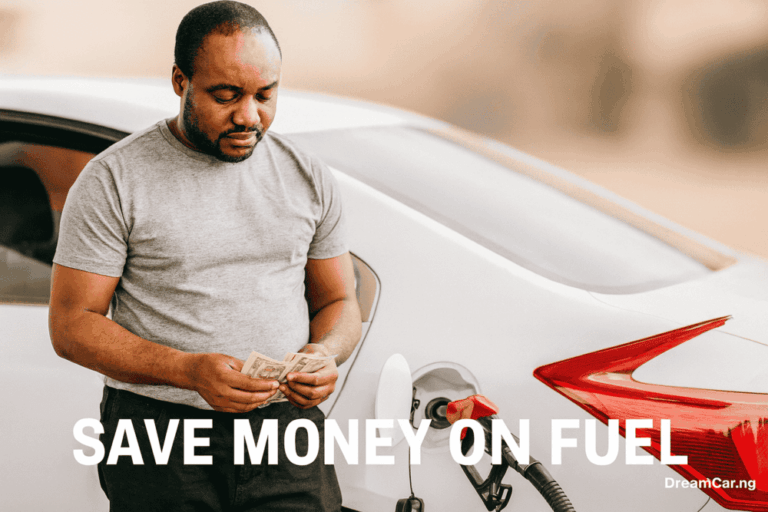
Ever since President Tinubu removed the fuel subsidy, Nigerians have felt the impact directly at the pump.
Overnight, fuel prices shot up, transport costs followed and everyday driving suddenly became a lot more expensive.
For many car owners, a full tank now takes a serious chunk out of their monthly budget, and long-distance travel or daily commuting requires more planning than before.
And that’s because Nigerian motorists deal with a unique blend of driving conditions every single day.
One moment you are crawling through tight city traffic in places like Lagos, Port Harcourt or Kano, and the next you are speeding along long highway stretches that connect major states.
Then come the uneven road surfaces, sudden potholes, unexpected diversions and of course the rising pump prices that can shake any driver’s budget.
All these factors make a typical trip burn through your tank faster than you expect.
Because of this, more drivers are actively searching for practical ways to reduce fuel consumption and conserve fuel without stressing their engines or compromising safety.
Everyone wants to save money on fuel, stretch every litre and enjoy smoother drives, especially now that fuel price spikes hit harder on both personal and business trips.
As a matter of fact at this point, saving fuel is no longer something you do just to be efficient, it has become a survival strategy.
The good news is that big savings start with simple habits. A few smart adjustments behind the wheel, combined with basic vehicle care, can dramatically save fuel during daily commutes or long inter-state journeys.
These improvements don’t require expensive upgrades, advanced technology or major lifestyle changes. They are small, easy actions that quickly add up over days, weeks and months.
Which means every litre saved means more money left in your pocket at the end of the week.
And when you add up those small savings over months and years, the amount you keep instead of burning away becomes significant.
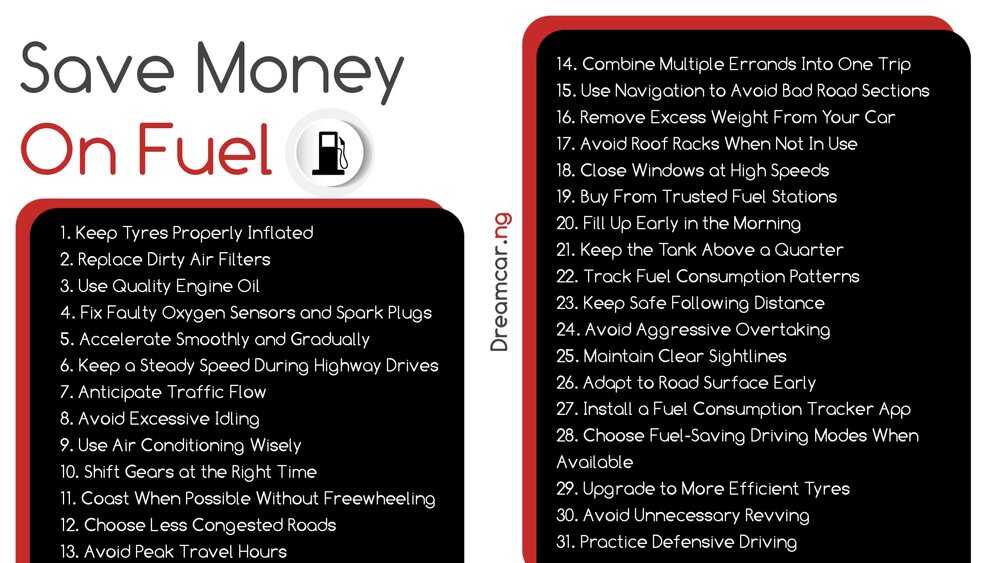
This 31 fuel saving tips takes you through clear, realistic and road-tested driving practices that fit Nigerian road challenges perfectly when it comes to fuel economy.
Each points walks you through steps that genuinely improve fuel efficiency and make your car work smarter, not harder.
By the time you finish, you’ll feel more confident about how to save petrol, spend less on fuel and tackle rising fuel cost with a strategy that actually works for everyday Nigerians.
Why Nigerian Drivers Save More Fuel When They Drive Smarter
Anyone who drives regularly across Nigerian cities knows how unpredictable the roads can be.
One day you might be fighting through heavy gridlock in Lagos, inching between buses and motorcycles.
Another day you are navigating those bumpy, uneven stretches along the Enugu–Port Harcourt expressway.
Then there are the long, almost endless straight runs on the Abuja–Kaduna route where maintaining a steady speed feels easy at first, but fuel burn rises quickly when the road opens up.
All these driving situations affect how much petrol your car uses. Constant braking in traffic drains fuel faster than most people realise.
Quick, harsh acceleration when trying to beat traffic lights or jump ahead of slow-moving trucks forces the engine to work harder than necessary.
Even simple idling while waiting at junctions or security checkpoints quietly wastes petrol in the background.
Drivers who switch to a more fuel efficient driving technique quickly notice the difference.
Smoother acceleration, gentler braking and better throttle control help you get more kilometres per litre.
These small changes help you save petrol in peak-hour traffic, reduce stress on the engine during bumpy rides and spend less on petrol during long highway trips.
And with pump prices climbing across the country, every single litre matters.
Smarter driving doesn’t just make the journey more comfortable. It helps you conserve fuel, protect your wallet and reduce the number of last-minute fuel station stops that cut into your day.
With that out of the way, let’s discuss:
31 Ways To Save Fuel In Nigeria
Most drivers don’t realise just how much simple car care affects fuel consumption.
When your engine is in good shape, it burns fuel cleaner, runs smoother and gives you better power without wasting petrol.
That means stronger performance in city traffic and better fuel economy on long highway trips.
Before even thinking about advanced driving tricks, these basic maintenance habits set the foundation for truly efficient driving:
1. Keep Tyres Properly Inflated
Underinflated tyres increase rolling resistance and force the engine to work harder, which increases the amount of fuel your car consumes.
It’s an easy issue to overlook, but it makes a big difference at the pump.
Make it a simple habit to check your tyre pressure every week, including the spare, so you don’t get caught off guard.
If you think keeping your car tyres inflated is a waste of money, you are actually indirectly paying for it without even knowing it.
Inflate them according to the manufacturer’s recommendation on the driver-side door frame or in the owner’s manual, and your car will roll a lot smoother and cheaper.
2. Replace Dirty Air Filters
A clogged air filter makes it harder for your engine to breathe, and once that airflow drops, combustion suffers and you end up wasting petrol without even noticing.
Giving your air filter a quick clean or replacing it at the recommended intervals can make a surprising difference.
It helps improve fuel efficiency and lets you save on petrol during your everyday drives.
3. Use Quality Engine Oil
Using the correct oil grade might seem like a small detail, but it makes a huge difference in saving fuel.
The right oil reduces friction and helps your engine run smoother, while low-quality or wrong-grade oil forces the engine to work extra and burn more fuel.
Stick to quality oil and change your oil regularly, especially if you drive through dusty areas where the engine picks up debris more quickly.
4. Fix Faulty Oxygen Sensors and Spark Plugs
A lot of Nigerian drivers tend to overlook those dashboard warning lights, but they matter more than many people think.
Something as simple as a faulty oxygen sensor or a worn-out spark plug can weaken combustion and cause your car to burn more fuel than it should.
Fixing these small issues helps the engine perform better and save fuel, especially when you’re constantly moving through traffic-heavy areas.
5. Accelerate Smoothly and Gradually
Hard acceleration wastes petrol faster than steady throttle input. Smooth, steady driving gives your engine a chance to work efficiently instead of fighting to keep up.
Maintain gentle pressure on the accelerator and allow the vehicle to build momentum gradually.
This approach helps a lot in stop-and-go traffic around places and busy areas where quick bursts of speed do nothing but waste fuel.
6. Keep a Steady Speed During Highway Drives
When you’re on highways like Lagos–Ibadan expressway or Benin–Ore road, keeping a steady speed can save you a surprising amount of fuel.
Constantly speeding up and slowing down makes the engine burn more petrol than necessary.
If your car has cruise control, this is the perfect time to use it.
The idea is simple: keep the vehicle moving at a consistent pace so it can save you fuel over those long stretches.
7. Anticipate Traffic Flow
Constant braking wastes the energy your engine has already worked hard to build up.
Instead of reacting at the last second, try looking farther ahead and adjusting early.
When you see a traffic light coming up or notice congestion building, gently lift your foot off the accelerator and let the car roll naturally.
This simple habit reduces fuel consumption.
You’ll spend less on fuel as a drivers who get good at anticipating traffic patterns and avoiding all those unnecessary bursts of throttle and sudden brake hits.
8. Avoid Excessive Idling
Idling might feel harmless, but it actually wastes petrol for no reason.
If you’re stuck in heavy Lagos traffic or waiting at a checkpoint for more than a minute, it’s smarter to switch off the engine.
Modern engines restart efficiently, and they don’t gulp extra petrol when you turn them back on.
Which is contrary to the old myths many drivers still believe about engines consuming more fuel while restarting.
9. Use Air Conditioning Wisely
Your AC might feel like a lifesaver, but it does consume engine power. In slow-moving traffic, that extra load can make your car burn more petrol than you expect.
The trick is to use it wisely. Let the cabin air out for a bit before turning it on so the AC doesn’t work as hard.
On the highway, though, having the windows fully down creates drag and hurts your fuel efficiency, so using the AC becomes the better option.
It’s all about finding the right balance to conserve fuel in each situation.
10. Shift Gears at the Right Time
Many Nigerian drivers keep their engines revving high before shifting. High RPM burns more fuel without increasing performance.
Shift early and keep RPM moderate. Manual transmission drivers benefit greatly from this fuel saving tip, especially during inter-city travel.
11. Coast When Possible Without Freewheeling
Coasting means allowing the vehicle to move using its own momentum. Freewheeling, which is rolling in neutral gear, reduces control and safety.
Maintain gear engagement but lift off the accelerator gently. This technique helps save fuel when descending mild slopes or approaching slow traffic.
12. Choose Less Congested Roads
Sometimes the longer route actually helps you save fuel, especially if it’s free-flowing compared to a shorter path that’s completely jammed.
Those extra minutes of smooth driving can cost far less petrol than sitting in bumper-to-bumper traffic.
Google map or any other traffic apps can help you spot the easier routes, but your own local knowledge is just as valuable, especially in places where network coverage isn’t always reliable.
13. Avoid Peak Travel Hours
Hitting the road early in the morning, around mid-day when most people are already at work, or later at night can make a huge difference by reducing time spent in traffic.
The less time you spend sitting still, the more petrol you save, and your engine avoids all that needless strain from idling.
Drivers who plan their trips around these calmer periods usually end up saving money on fuel every single week.
14. Combine Multiple Errands Into One Trip
Making several short trips throughout the day actually burns more petrol than doing everything in one longer outing.
Your engine performs best when it’s warmed up, so each fresh start uses a bit more fuel.
If you can, group your errands together i.e school runs, bank stops, market runs, office visits for instance, and handle them in one go.
It’s an easy way to boost your overall fuel economy.
15. Use Navigation to Avoid Bad Road Sections
Potholes, rough patches and broken road sections don’t just make the ride uncomfortable, they also force you to slow down and speed up over and over again, which burns more petrol.
Whenever possible, plan routes that avoid the worst road conditions, and when you’re already on the road, gently steer around potholes but only when it’s completely safe to do so.
Keeping your car in steady motion goes a long way in helping you save fuel.
16. Remove Excess Weight From Your Car
It’s easy to forget what’s sitting in your boot, but things like old toolboxes, spare batteries, water jerrycans or heavy metal racks all add weight to your car.
Here’s the simple truth, the heavier your vehicle, the more fuel it burns.
Clearing out those unnecessary items and keeping only what you truly need can save you fuel and improve fuel efficiency, especially on long trips.
17. Avoid Roof Racks When Not In Use
Roof boxes and luggage racks might be handy when you need them, but when they’re just sitting up there, they disrupt airflow and create extra resistance especially at highway speeds.
That added drag makes your engine work harder and burn more fuel. If you’re not actually using them, take them off.
Drivers who keep their car’s aerodynamics clean and simple usually notice real fuel savings over time.
18. Close Windows at High Speeds
Driving with your windows wide open at high speeds creates a lot of drag, and that extra resistance forces your engine to work harder.
If you’re on the highway, it’s better to keep the windows slightly open or fully closed and then use your AC in accordance.
This small adjustment can reduce car fuel consumption and help you save on petrol, especially during long trips.
19. Buy From Trusted Fuel Stations
Try to buy your fuel from a trusted station because low-quality or adulterated petrol burns faster and can damage important engine components.
Contaminated fuel often leads to frequent repairs and terrible mileage.
It’s safer to stick with reputable stations that have a high turnover. That way, you’re more likely to get fresher, cleaner fuel that keeps your car running smoothly.
20. Fill Up Early in the Morning
Fuel is a bit denser when the temperature is cooler, and once the heat kicks in, it expands slightly.
That means if you buy fuel during the hottest part of the day, you may be getting a little less energy per litre.
It’s a small difference, but it adds up over time.
Refueling early in the morning or during cooler hours can give you those marginal yet consistent gains in efficiency.
21. Keep the Tank Above a Quarter
It might seem like a small thing, but driving around with a very low fuel level can cause the pump to pull in debris that settles at the bottom of the tank.
That dirt can clog your injectors and hurt your car’s efficiency over time.
Keeping a healthy amount of fuel in the tank helps the pump work smoothly and supports better fuel economy overall.
22. Track Fuel Consumption Patterns
Keep an eye on your car’s kilometres per litre every week. If it suddenly drops, it could mean something’s wrong like a mechanical issue, tyre problem, or even your driving habits.
Checking it early can save you fuel money and stop small issues from turning into real engine trouble.
23. Keep Safe Following Distance
Tailgating forces you to continuously hit harshly on your break which is totally unnecessarily.
Give yourself enough space so you can react smoothly instead of slamming the brakes.
The more controlled your braking, the more you conserve fuel over time.
24. Avoid Aggressive Overtaking
Repeated high-RPM overtaking wastes petrol and wears the engine, so it’s best you plan your overtakes carefully.
Use enough power to pass safely but avoid unnecessary bursts that drain your fuel tank tank.
25. Maintain Clear Sightlines
Driving behind large trucks or buses limits visibility and reduced visibility leads to late reactions and harsh braking.
Stay where you can see the road ahead so you can take actions on time, adjust speed gently and save fuel.
26. Adapt to Road Surface Early
Steer around potholes rather than braking hard at the last second.
Maintain moderate speed on rough patches. Smooth wheel movement and steady speed help prolong engine life and reduce fuel burn.
27. Install a Fuel Consumption Tracker App
Apps make it really easy to keep track of your mileage, fuel purchases and maintenance history.
Once you have everything in one place, you naturally become more disciplined as a driver.
It also becomes easier to spot small habits or issues that could help you save fuel without much effort.
28. Choose Fuel-Saving Driving Modes When Available
Many cars have an Eco driving mode that softens how the accelerator responds and encourages smoother driving.
It’s especially useful in city traffic, helping you burn less fuel during slowdowns and stop-and-go movement.
29. Upgrade to More Efficient Tyres
Low resistance fuel saving tyres help your car glide with less drag, which means better mileage.
If you are someone who drive long distances every year, they can save you a lot of fuel over time.
Efficient driving really comes down to staying calm. Nigerian roads can test your patience with sudden moves by unpredictable drivers.
Maintaining composure keeps the vehicle moving without wasteful accelerations and abrupt decisions.
30. Avoid Unnecessary Revving
Some drivers love revving their engines at traffic lights, while parking, or just to show off
This is especially true for the ‘Lexus boys’ after turning their cars into sport versions.
It burns fuel for no reason at all. If you want to save fuel and preserve your engine health, avoid unnecessary revving.
31. Practice Defensive Driving
Staying alert behind the wheel helps you avoid those sudden, fuel-wasting manoeuvres.
When you pay attention and try to predict what pedestrians, cyclists and commercial buses might do next, you’re able to react smoothly instead of slamming the brakes or accelerating sharply.
That is defensive driving and it saves you fuel and keeps everyone safer on the road.
Key Takeaways to Help You Reduce Fuel Consumption
At the end of the day, driving more efficiently really comes down to a mix of smart habits, simple car care and choosing routes that make sense for the roads you face.
Nigerian roads can be unpredictable, but every driver can reduce fuel consumption and conserve fuel just by applying the fuel efficient driving technique ideas shared here.
These aren’t complicated tricks, each fuel saving tip is something you can start using right away to save petrol and improve fuel efficiency without stressing your car.
Once you make these habits part of your routine, you’ll notice how they save you fuel, help you spend less on fuel and even save on petrol during both short trips and long journeys.
It’s one of the most practical ways to tackle rising fuel cost and still keep your car performing well.
With a bit of planning and consistency in practicing these little fuel saving tricks, you’ll save money on fuel all year round and enjoy better fuel economy every time you hit the road.