
Price, Performance, Spec, Safety, Interior, Fuel Economy, Pros & Cons
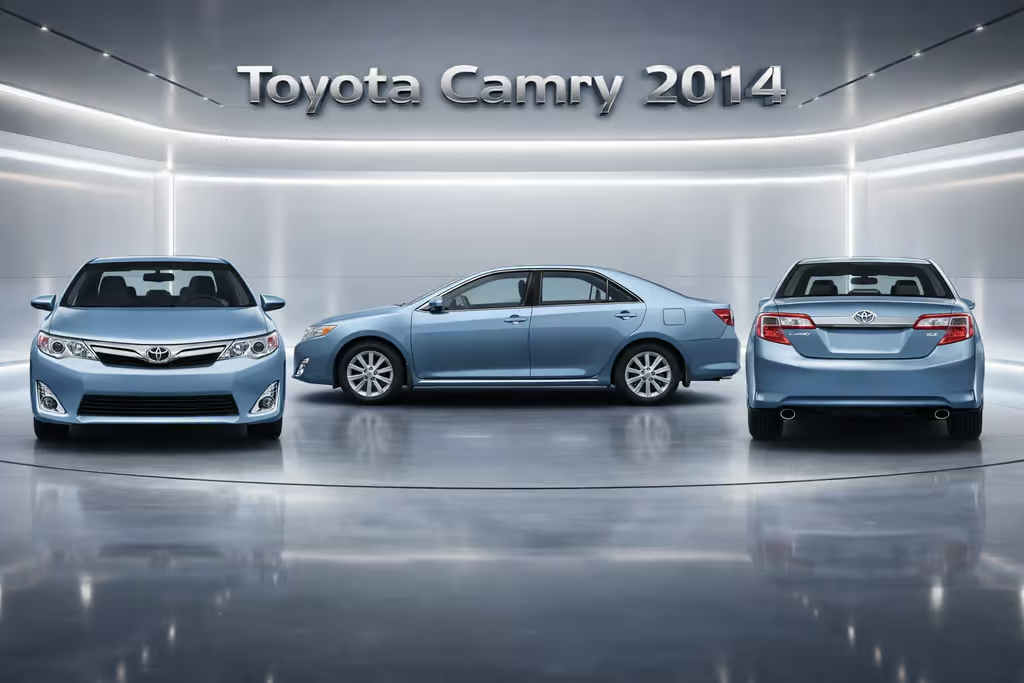
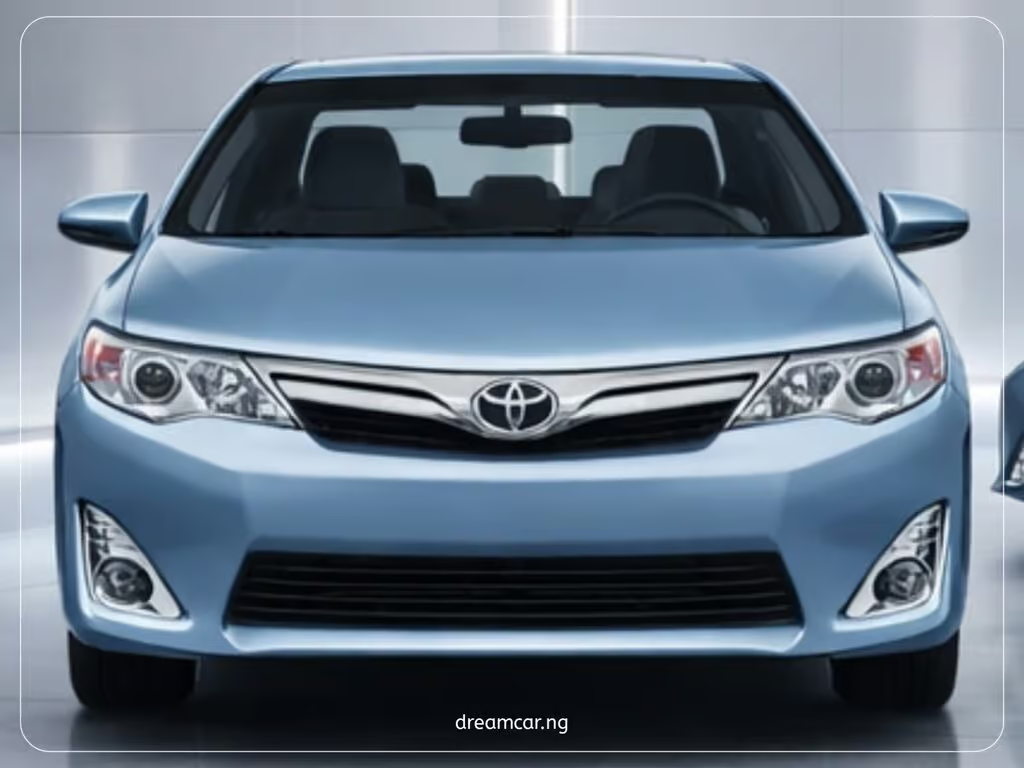
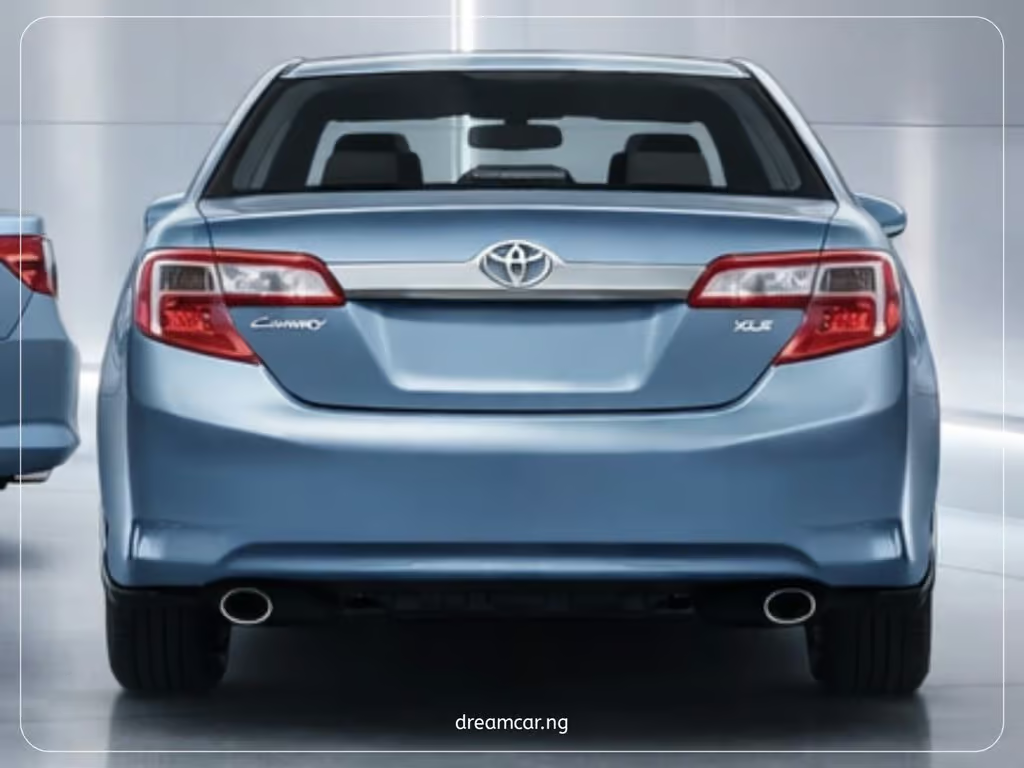
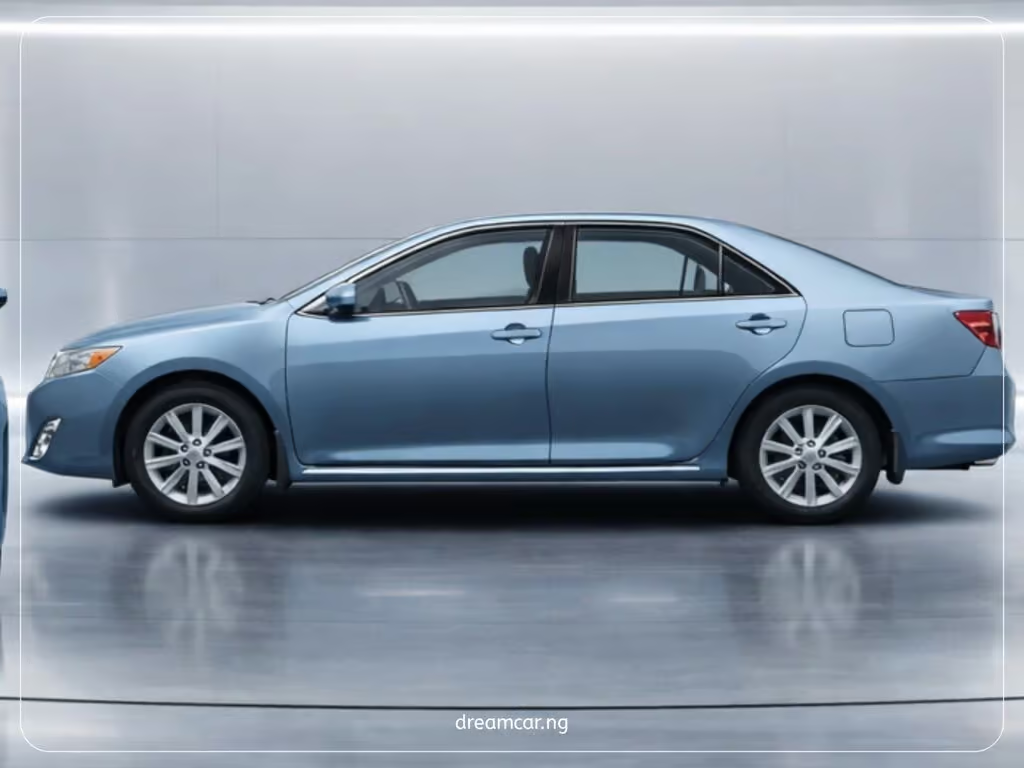
The Toyota Camry 2014 represents a mid cycle refresh within the XV50 generation in certain markets. Exterior styling was subtly revised with updates to the grille design, headlights, and rear detailing, giving the sedan a sharper and more contemporary appearance.
The structural platform continues as a front wheel drive midsize sedan with a focus on comfort and space efficiency. Cabin width and rear seating comfort remain strong selling points. Suspension tuning maintains a smooth ride quality suited for daily commuting and long distance travel.
Powertrain options continue with the 2.5 liter four cylinder engine and the 3.5 liter V6 engine, alongside a hybrid configuration where available. Transmission pairing remains consistent with a 6 speed automatic for petrol variants and an electronic continuously variable transmission for the hybrid.
Interior revisions in refreshed models include upgraded materials, a revised center console design, and improved infotainment integration. Safety features were also expanded in some trims.
The 2014 Toyota Camry didn’t really changed from 2013, with updates focused on equipment packaging and infotainment enhancements. Toyota expanded availability of its Entune system across more trims, improving access to connected apps and voice recognition features. Minor revisions were made to the touchscreen interface, making it more responsive and easier to navigate.
Standard equipment was adjusted slightly, with more trims receiving features such as a standard rearview camera, to solve growing regulatory and consumer expectations for safety. Interior trim options were revised, with new fabric and color choices introduced to keep the cabin feeling current. The Hybrid SE Sport trim was introduced with firmer suspension, chassis and powertrain setup.
Engine options and transmissions remained unchanged, including the 2.5 litre four cylinder, 3.5 litre V6, and hybrid variant. Camry 2014 focuses on modest feature updates and technology availability, there is no major redesign or mechanical overhaul.
The 2014 Camry offered L, LE, SE, XLE, and Hybrid trims in LE, SE, and XLE forms, giving more variety in hybrid configurations.
₦14.8M
₦10M
The 2014 Toyota Camry remains widely available in Nigeria, with pricing shaped by trim specification, condition, and currency fluctuations. Foreign used units typically average about ₦14,800,000, reflecting increased import costs and strong consumer demand for this facelift generation. Nigerian used units generally sell for around ₦10,000,000, with pricing sensitive to mileage, accident history, and service records.
A 2014 Camry equipped with higher trims, especially XLE or V6 configurations, attract higher price point due to comfort features and performance differences. Units with clean interiors and factory paint also command higher values, while poorly maintained cars sell at noticeable discounts.
Official dealership offerings are limited but can reach ₦15,000,000 or more due to reconditioning standards and documentation assurance. Independent dealers on jiji and other marketplaces provide the bulk of listings at lower prices. Urban markets such as Lagos and Abuja typically command higher prices because of demand and logistics, while regional markets may offer slightly reduced pricing depending on availability and transport costs.
Petrol
Automatic & CVT
Sedan
The 2014 Toyota Camry received a styling refresh but retained its engine lineup. This included the 2.5-litre four-cylinder (178 hp), the 3.5-litre V6 (268 hp), and the hybrid system (200 hp), all paired with 6-speed automatic transmissions.
The V6 provides strong acceleration, while the four-cylinder remains adequate for daily driving. Ride quality is soft and composed, allowing the car to glide over uneven surfaces with minimal disturbance.
Handling is slightly improved but still not sporty. In Nigerian driving conditions, the Camry feels stable and rugged, with sufficient power for both city use and highway travel. The quiet cabin and comfortable ride make it well suited for long journeys.
City: 25, Hwy: 34
10.6km/L
14.4km/L
The 2014 Toyota Camry base trim maintains similar efficiency, returning about 10.6km/l in city conditions and around 14.4km/l on the expressway. In Nigerian driving environments where stop and go traffic is frequent, consumption usually trends toward the lower figure. At ₦850 per litre, a driver covering 1,500km monthly should budget roughly ₦125,000 for predominantly city use or about ₦88,000 when highway driving dominates.
Fuel efficiency remains stable when the engine is properly maintained and tyres are correctly inflated. Ownership costs are generally affordable, with routine servicing and common wear items such as brake pads and suspension bushings representing the primary recurring expenses. Driving style, air conditioning demand, passenger load, and traffic density all influence real world fuel consumption.
Check: EPA fuel economy by trims
Low
High
Very High
The 2014 Camry retains the proven 2.5 litre four cylinder and 3.5 litre V6 paired with a six speed automatic transmission. Maintenance remains straightforward and predictable, centred on routine oil servicing, cooling system upkeep, brake maintenance, and periodic suspension inspection.
The four cylinder rewards consistent servicing with impressive longevity, while the V6 demands careful monitoring of ignition components and proper cooling system care to preserve reliability.
Both engines use timing chains designed to reduce major service interventions. Nigerian road conditions continue to place stress on suspension arms, bushings, and shock absorbers, making them common wear items over time.
Substitute parts availability across Nigeria is strong, from engine sensors and mounts to transmission components and suspension assemblies, supplied through both genuine and reputable aftermarket channels. Most local mechanics are thoroughly familiar with this model, making troubleshooting systematic and repairs easily handled anytime the vehicle breaks down.
4.5/5
Entune Gen 1, Touchscreen, Bluetooth
The 2014 Camry cabin uses soft touch upper dash materials and tightly fitted lower plastics; seat coverings vary by trim with LE and XLE with woven fabric, SE with fabric and SofTex® trimmed bolsters and higher XLE and Limited trims offering leather trimmed seating. Toyota specifies SofTex® synthetic leather and UltraSuede® on some sport editions.
Front seats include eight way power adjustment and heated seats on higher trims. Dashboard layout is horizontal with clear instrument cluster and simulated wood trim on XLE. Build quality shows consistent panel fit. Acoustic measures include high density dash silencer and improved windshield acoustic glazing on later 2013 hybrids reducing cabin noise; tyre and suspension noise increase on rough Nigerian roads.
Dual zone automatic climate control cools effectively in high ambient temperatures; rear vents aid passenger comfort. Infotainment ranges from AM/FM CD with auxiliary input to Entune™ audio and JBL® audio. Storage includes centre console, door bins and trunk.
6-10
Yes
Yes
By 2014, Toyota kept the same XV50 safety architecture and continued focusing on a rigid passenger safety cage. Many markets still offered the full ten airbag setup, along with the STAR Safety suite, which included ABS, electronic brakeforce distribution, brake assist, vehicle stability control and traction control.
Crash performance remained strong. NHTSA awarded high overall scores for units built in late 2013, while IIHS gave Good ratings in moderate overlap frontal and side impact tests for this generation. Structurally, the car featured strengthened B pillars, reinforced side rails and ring like reinforcements around the passenger cell. These elements help direct crash forces away from occupants.
The braking and electronic stability systems work together to reduce the forces experienced by occupants during sudden manoeuvres. They also help keep the car stable during emergency steering, especially on uneven or damaged roads. For Nigerian driving conditions, the Camry’s durable body holds up well against potholes. However, long term durability depends heavily on proper repairs and good corrosion protection.
It is also worth noting that some lower export trims did not include knee airbags or certain advanced safety features. If you are buying one, it is important to confirm exactly what equipment is fitted.
Check: Safety rating on iihs.org
The 2014 Camry shares many of the powertrain and accessory fault trends of surrounding years. Transmission slipping, rough gear changes and hesitation persist if torque converter and fluid maintenance are neglected; heat and heavy traffic typical in Nigerian cities exacerbate wear.
Some owners report check-engine lights tied to oxygen sensors or EVAP purge valve faults, which may cause minor fuel system performance issues if left unresolved. Suspension components including shock absorbers and control arm bushings wear quickly on rough roads, leading to harsh rides and steering instability.
Electrical gremlins such as faulty window motors, warning light faults, and sensor malfunctions occur more frequently as vehicles age in humid conditions. Reports from forums and complaint logs also mention brake noise and occasional caliper stick on rear brakes after long use on dusty, hot roads. HVAC systems in this year can suffer reduced cooling capacity, especially in high heat, and cabin blower motors are known to fail. Interior trim and plastics show wear faster under constant sun exposure typical in Nigeria.
Below is a balanced breakdown of the key advantages and drawbacks of the Toyota Camry, based on real Nigerian ownership, performance expectations, and typical use cases.
Tell us your budget and location. We’ll connect you with verified dealers in your city.
Dreamcar.ng reviews are produced by a research-driven team with direct exposure to auto market across Nigerian cities. Our analysis is based on dealership interactions, discussions with mechanics, observed market pricing patterns, and independent research. Each review reflects real Nigerian ownership conditions including fuel quality, road conditions, spare parts accessibility, maintenance realities, and long-term running costs, to help buyers make informed and practical decisions.” add this seamlessly “everythin depends on trim level but we talk more on the more rampant trims on Nigerian road.
Stay informed with car reviews, ownership tips, and Nigeria auto market updates.
©2026. Dream Car Nigeria. All Rights Reserved.